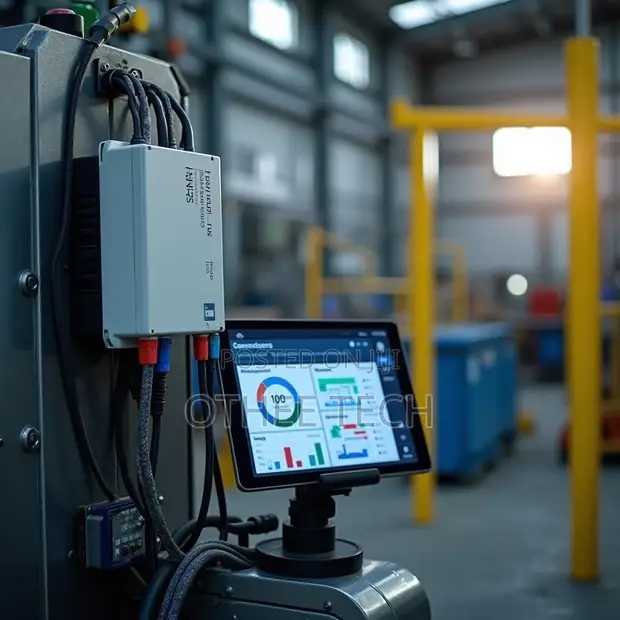
Remote Metering (AMR) Data Concentration Unit (DCU)

Remote Metering (AMR) Data Concentration Unit (DCU) - 1
1 / 3

Details

Type
Electrical Installation
Company Name
OTHEE TECHNOLOGIES CO LIMITED
Service Type
Industrial
Electrical Installation Work Experience
more than 5 years

Remote Metering (AMR) Data Concentration Unit (DCU) Highlights

  • Expertise in AMR DCU Systems: These systems are crucial for automated meter reading, requiring specialized knowledge for installation and configuration. Professionals with extensive experience ensure reliable data collection and management.
  • Industrial Service Focus: Industrial applications demand robust and scalable solutions for data concentration. This type of service is designed to handle the complexities of large-scale utility or facility management.
  • Electrical Installation Proficiency: Proper installation of AMR DCU units involves intricate electrical work. Ensuring compliance with safety standards and optimal system performance is paramount.
  • Long-Term Project Experience: Projects involving AMR DCU installations often span significant durations. A proven track record of over 5 years indicates a deep understanding of project lifecycle and potential challenges.
  • Data Integrity and Security: AMR DCU systems are responsible for collecting sensitive utility data. Reliable installation ensures the integrity and security of this information, preventing unauthorized access or data loss.

Description

• End-to-end AMR and DCU solutions including smart meter installation and Data Concentrator Unit deployment. • Communication network integration: RF Mesh, PLC, GSM/4G, NB-IoT, and LoRaWAN. • Features remote meter monitoring, real-time data acquisition, outage detection, and tamper/theft alerts. • Supports load profiling, prepaid/postpaid metering, and energy analytics. • Seamless integration with Meter Data Management Systems (MDMS), SCADA, and utility billing platforms. • Enables remote monitoring of thousands of meters from a centralized platform. • Improves operational efficiency, reduces non-technical losses, and accelerates revenue collection. • Facilitates data-driven decisions for a smarter, more resilient power grid.