USh 30,000
Premium Amaranth (Bugga) Vegetable Seeds
Central Division • Oct 8, 2026
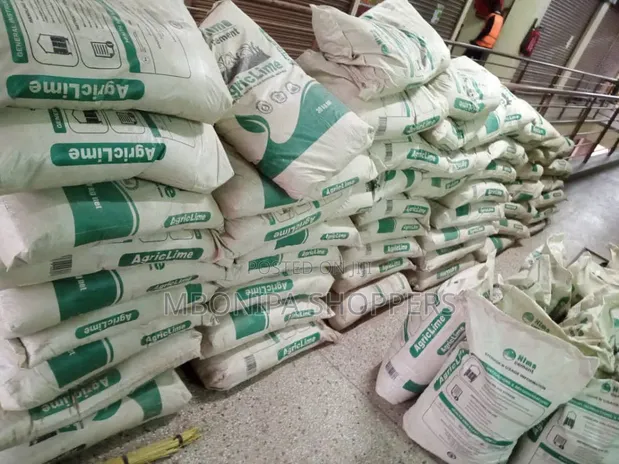
• Agricultural lime (aglime) is a soil amendment made from ground limestone or dolomite. • Used to increase soil pH, neutralizing acidity and improving plant growth. • Essential for areas with high rainfall or naturally acidic soils. • Enhances nutrient availability and overall soil health. • Helps overcome negative impacts of acidic soils on crop yield. • Available in powdered form for easy application. • Suitable for a wide range of crops and soil types.
 This item Agricultural Lime USh 40,000 | 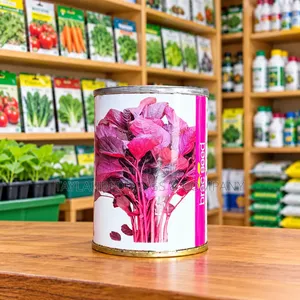 Premium Amaranth (Bugga) Vegetable Seeds USh 30,000 | 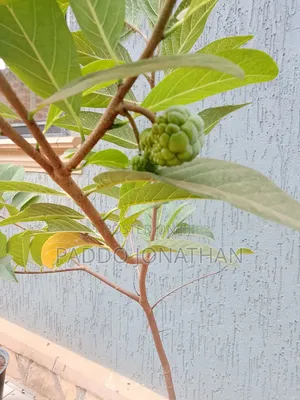 Custard Apple Seedlings (1 Year Old) USh 50,000 | |
|---|---|---|---|
| Type | Other | Vegetables Seeds | Fruit Seeds |
| Price | USh 40,000 | USh 30,000 | USh 50,000 |
USh 30,000
USh 50,000
USh 45,000
USh 30,000
USh 46,000
USh 30,000
USh 30,000
USh 50,000